
10 Creative Ways to Save on Heating Costs This Winter
Stay Warm Without Breaking the Bank
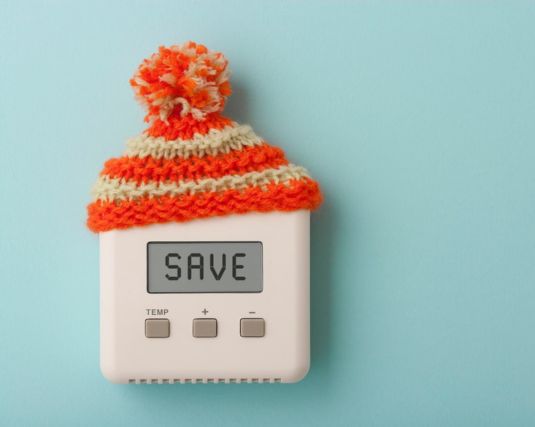
With the weather getting colder, it means it’s time to turn the air conditioning off and the heat on. This also means your electric bill might be higher. The following tips can help you save money and energy while staying comfortable during the cold winter months.
1. Let sunlight heat your home.
-
Close the curtains at night to lessen the chill from cold windows and open them during the day to let sunshine naturally heat the house as much as possible.
-
Make sure to plant deciduous trees on the south-facing side of the house, especially near the windows. In the winter, they will let the light and warmth in the windows, while in the summer, they will shade them.
2. Cover drafty windows.
-
During the chilly winter months, tape a clear plastic film to the inside of window frames or use a sturdy, clear plastic sheet on a frame. Make sure the plastic is sealed tightly to the frame to help reduce infiltration.
-
If your windows feel drafty after weatherizing, use insulating, tight-fitting drapes or shades.
3. Adjust the temperature.
- Lower the thermostat to a comfortable level when you are at home and awake.
- You can reduce your annual heating and cooling costs by up to 10% by turning the thermostat back while you are asleep or away from home. Reducing your thermostat can be done automatically with a smart or programmable thermostat.
- Don't forget to make sure the temperature is also comfortable for pets!
- If you have a heat pump, keep it on a moderate setting or use a programmable thermostat made specifically for use with heat pumps.
4. Dust your vents
- Dust acts as a natural insulator and can block some of the hot air from heating your home.
5. Find and seal leaks
- Seal gaps around chimneys, recessed lighting in insulated ceilings, utility cut-throughs for pipes (also known as "plumbing penetrations"), and unfinished areas behind cabinets and closets to prevent air leaks.
- Add caulk or weatherstripping to seal air leaks around leaky doors and windows.
6. Humidify your air
- Use humidity to your advantage by investing in a humidifier for the winter. Moisture helps to hold onto heat and will keep the air warmer longer.
7. Maintain your heating systems
- Schedule routine service for home heating services.
- Replace your furnace and heat pump filters once a month or as needed.
- To make sure that wood and pellet burning heaters are heating efficiently, clean the appliance's interior with a wire brush on a regular basis and clean the flue vent.
8. Reduce heat loss from the fireplace
- Unless you have a fire burning, keep the fireplace damper closed. Warm air can travel straight up the chimney when the damper is left open, much like when a window is left wide open in the winter.
- When using the fireplace, reduce heat loss by opening dampers in the bottom of the firebox (if provided) or open the nearest window slightly, approximately 1", and close doors leading into the room. Lower the thermostat setting to between 50° F and 55° F.
- If you never use your fireplace, plug and seal the chimney flue.
- Install tempered glass doors and a heat-air exchange system that blows warm air back into the room.
- Check the seal on the fireplace flue damper and tighten it as much as possible.
- To circulate warm air back into the room and draw chilly room air into the fireplace, buy grates constructed of C-shaped metal tubes.
- Add caulking around the fireplace hearth.
9. Lower water heating costs
- Maintain the water heater's warm setting at 120° F. This will prevent scalding in addition to saving electricity.
10. Lower holiday lighting costs
- Use LED holiday lights to reduce the cost of decorating the home for the winter holidays.