
How to Build Your Emergency Fund
Strategies for Every Financial Situation
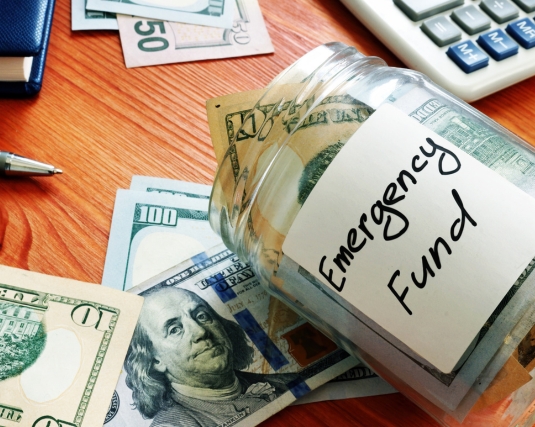
Who hasn't experienced a financial emergency? A broken-down car, an unexpected medical bill, a broken appliance, or even a damaged cell phone. No matter how large or small, these unplanned expenses can feel like they happen at the worst times.
With an emergency fund, you can protect yourself and your loved ones from losing everything to a financial emergency. By setting aside money for unplanned expenses, you can recover more quickly and get back on track toward your financial goals.
What is an emergency fund?
An emergency fund is a savings fund that's set aside specifically for unplanned expenses or financial emergencies. The most common financial emergencies are car repairs, home repairs, medical bills, and loss of income.
In general, an emergency fund can be used for small or large unplanned expenses that aren't part of your normal routine expenses.
Why do I need an emergency fund?
Without having an emergency fund as a safety net, you could easily find yourself sinking into debt.
Research suggests that those who struggle to recover from financial shock have less in their savings accounts to cover future emergencies.
How much should I have saved?
The amount you should have in your emergency fund varies person to person, depending on their situation. Think back to any unplanned financial emergencies you've experienced in the past and use that to help you determine how much you should set aside.
If you're living paycheck to paycheck, putting money aside can feel difficult. Even setting aside a small amount each month can provide some financial security.
How do I build my emergency fund?
There are a few different strategies you can use to build your emergency fund. These strategies can cover a range of financial situations, including those with limited ability to save.
1. Create a savings habit.
It's easiest to build a savings fund when you're able to consistently put money away. If you have trouble remembering to save money each month, there are a few ways to help you remember:
- Set a goal. Having a specific goal to reach can help you stay motivated and make planning easier.
- Use automated transfers. If you have a hard time remembering to transfer money to your savings each month, you're not alone. Many financial institutions allow you to set up automated transfers, so you can save money without having to think about it.
- Regularly track your progress. Find a way to regularly check and track your savings. Whether you set up account balance notifications or keep a running total of your contributions, finding a way to track your progress can give you encouragement to keep saving.
- Celebrate your successes. If you meet your savings goal, find a way to treat yourself! Small moments of celebration can help you stay motivated and work toward your next goal. Don't forget to set another goal after celebrating!
- This strategy is best for someone with a consistent monthly income.
2. Manage your cash flow
Your cash flow is the timing of when your money is coming in and going out. If the timing is off, you might find yourself running short on money toward the end of the month. If you actively track your cash flow, you'll start to see opportunities to adjust your savings and spending.
For example, you may be able to adjust the due dates for your bills by working with your creditors (landlords, utility companies, credit card companies, etc.), or you can use the weeks when you have more money available to move a little extra into savings.
- This strategy is great for anyone. Managing your cash flow is an important first step in managing your money, regardless of your financial situation.
3. Take advantage of one-time opportunities to save
There are certain times of the year when you may receive more money than others. Many people receive cash gifts during the holiday season or refunds during tax season.
While it's tempting to spend it, it's more important to set aside all or a portion of that money. It could help you set up your emergency fund much more quickly.
- This strategy is best for someone with an irregular income.
4. Save through your employer
Another way to save automatically is through your employer. Your employer may allow you to split your paycheck into multiple accounts, including your savings account. If you receive your paycheck through direct deposit, check with your employer to see if it's possible to divide your paycheck between two accounts.
- This strategy is best for someone with a consistent income who has trouble transferring a portion of their paycheck into their savings.
Where should I keep my emergency fund?
You can put your emergency fund in several different places depending on your situation. You want to make sure you put it somewhere that's accessible, safe, and where you won't be tempted to spend it.
The safest and most common place for an emergency fund is a savings account. Your savings account is typically easily accessible and kept safe through your financial institution.
If you would rather keep your savings closer to you, you can also keep your savings as cash. You could keep this cash in a safe place at home or with a trusted family member/friend. It's important to keep in mind that cash can be stolen, lost, or destroyed.
Another option is to keep a prepaid card you load with money. This isn't normally recommended, as it can be tempting to spend the money on this card. Also, if you lose the card, you'll most likely lose your savings and could potentially give someone else access to the money on the card.
Having an emergency fund can help save you from situations that could hurt your financial security. Don't be afraid to use your savings if you need it, but try not to spend it on unnecessary expenses. If you end up using all or most of your funds, just work to build it back up again. Practicing your savings skills over time will make this easier.